High-Rise Façade Remediation

Trident Facades provides façade remediation services for high-rise residential buildings across the UK — from initial investigation and design through to cladding replacement and completion.

High-rise buildings carry particular fire safety, access and compliance requirements, and remediation needs to be planned around all three from the outset.

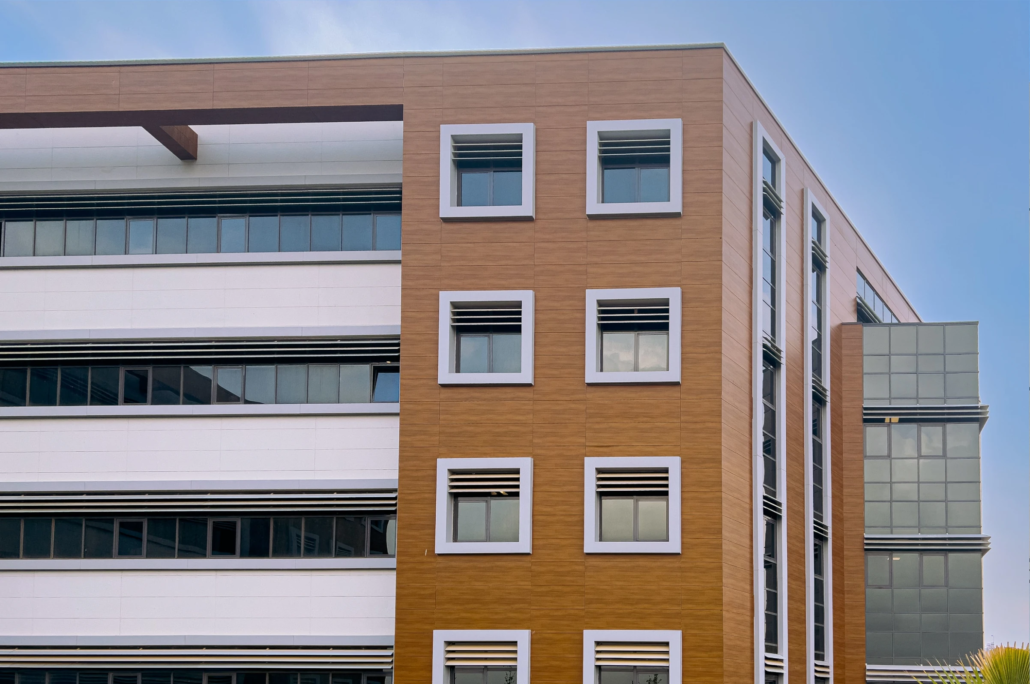
Understanding High-Rise Remediation

High-rise buildings carry a different level of risk and complexity than lower-rise remediation projects, and that shapes how a project needs to be planned from day one.

Many high-rise residential buildings meet the Building Safety Act’s definition of a Higher-Risk Building — generally 18 metres or more, or 7 or more storeys, with at least two residential units. This brings duties on the Accountable Person to assess and manage building safety risk, including the external wall, and to register the building with the Building Safety Regulator.

Height also changes how the work itself has to be delivered. Projects run around residents living in the building throughout, with access at height, extended scaffold or MEWP provision, and coordination with the building’s evacuation strategy all built into the programme from the outset — not resolved on site as problems arise.

High-Rise Facades

We work across a wide range of high-rise building types and façade systems:

  • Purpose-built residential towers

  • Point blocks and slab blocks

  • Mixed-use high-rise developments

  • High-rise Build to Rent (BTR)

  • High-rise student accommodation

  • Converted or retrofitted buildings

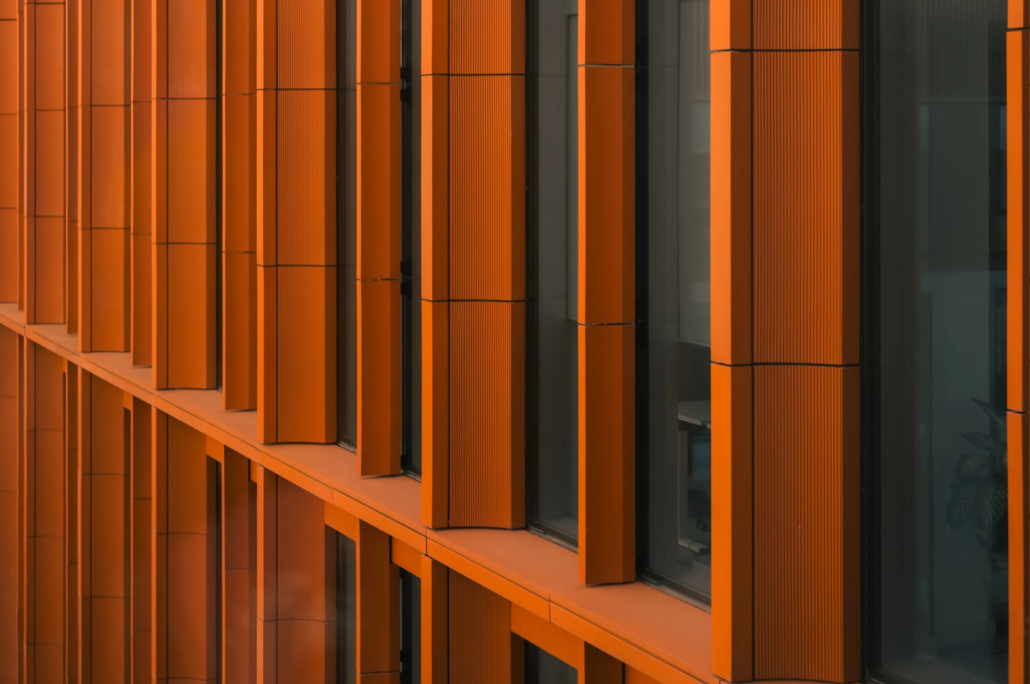
ACM Cladding

Explore Our ACM Services : 

HPL Cladding

Explore Our HPL Services : 

Rain Screen Cladding

Explore Our Rain Screen Services : 

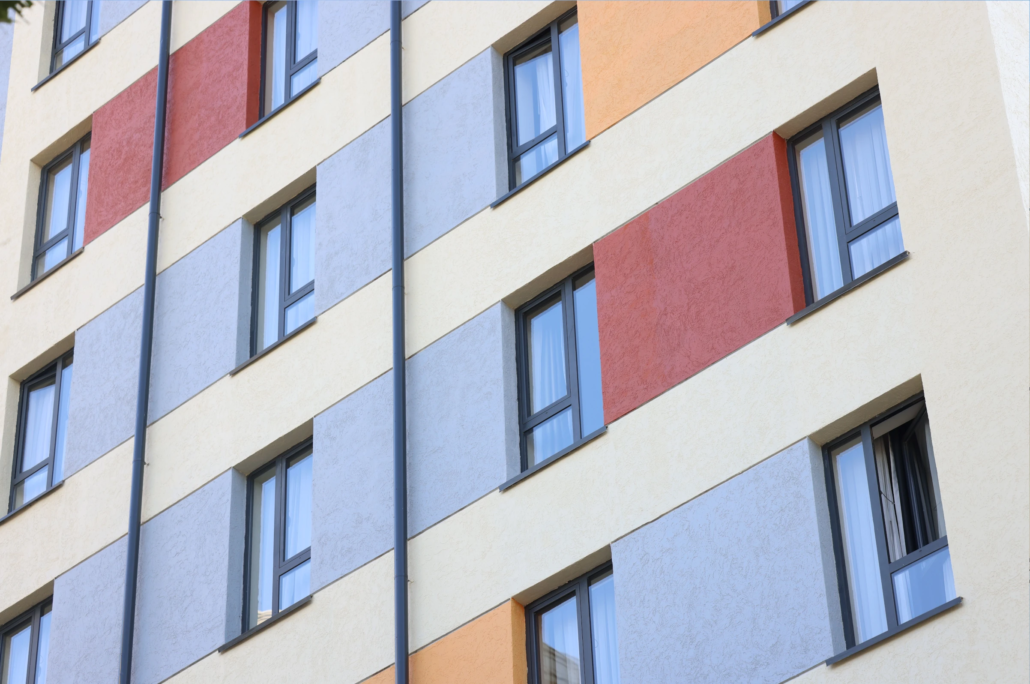
EWI Remediation

Explore Our EWI Services : 

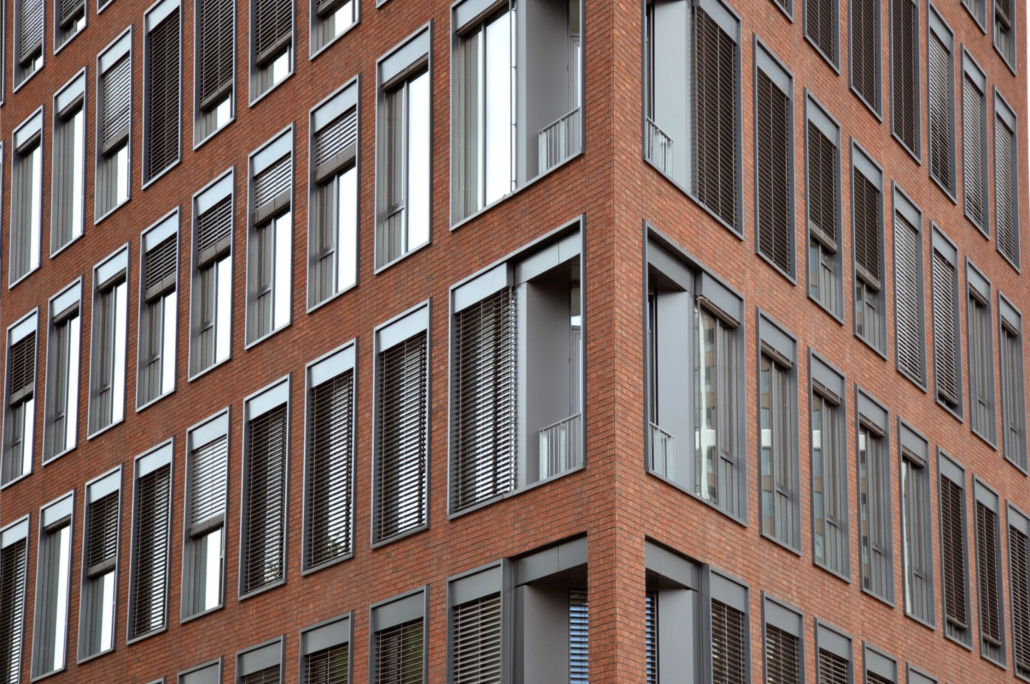
Brick Slip Cladding

Explore Our Brick Slip Services : 

Common High-Rise Façade Problems

High-rise façades can develop a range of fire safety, weatherproofing, structural and performance issues. We investigate and remediate problems across the building envelope, from individual defects to complex façade systems.

Combustible Cladding

Combustible materials within external wall systems can present significant fire safety concerns and may require replacement or other remediation measures.

Cladding Failure

Loose, damaged, displaced or deteriorating cladding can create safety, weatherproofing and building performance issues.

Cavity Barrier & Fire Stopping Defects

Missing, damaged or incorrectly installed cavity barriers and fire stopping can compromise the intended fire performance of an external wall system.

Water Ingress & Weatherproofing

Façade defects can allow water penetration, leading to damp, deterioration, corrosion and damage to internal finishes and building components.

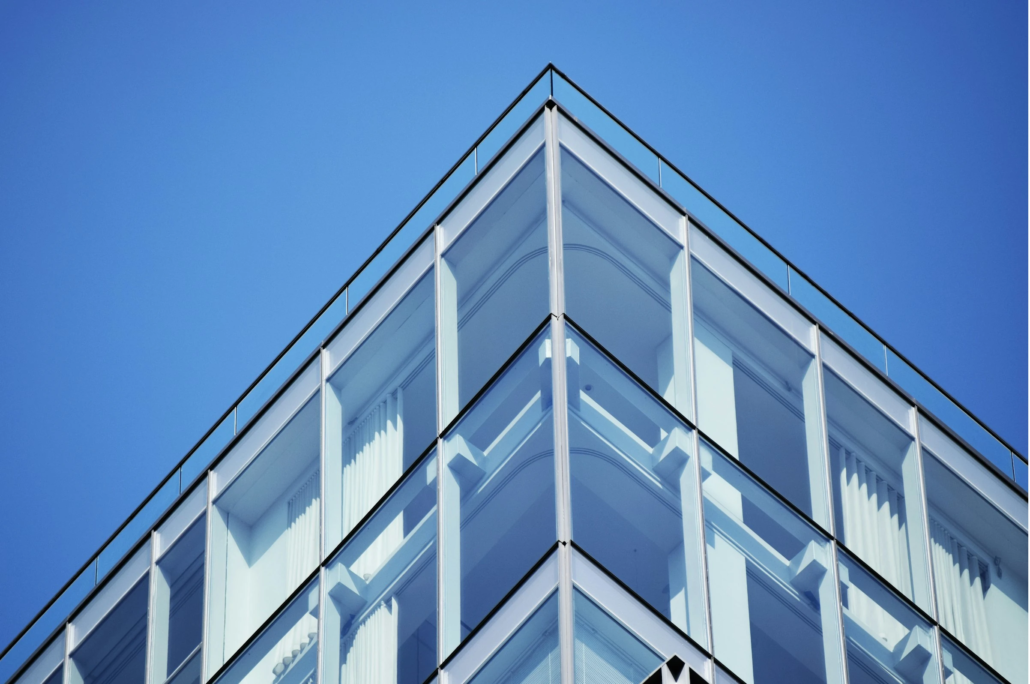
Curtain Walling Defects

Curtain walling can develop failed seals, defective interfaces, movement issues and other defects affecting weather resistance and overall façade performance.

Windows, Balconies & Façade Interfaces

Windows, balconies, spandrel panels and junctions between different façade elements can be sources of water ingress, deterioration, thermal issues and other performance defects.

Investigation to Remediation

Every remediation project starts with understanding what is actually present in the external wall.

Survey & Investigation

Facade condition survey and opening-up to establish construction, materials, fixing methods, defects and existing fire-safety measures.

Fire & Technical Assessment

Where appropriate, a FRAEW to PAS 9980:2022, identifying risk and compliance gaps.

Remediation Strategy

Agreeing the appropriate response, from repair through to full replacement.

Design & Procurement

Developing a buildable, specified solution and preparing for delivery.

Remediation & Completion

Works delivered on site, closed out with the documentation the building needs.

High-Rise Façade Surveys

Where a building meets the Higher-Risk Building threshold, the Accountable Person has specific duties to assess and manage building safety risks, including the risk of fire spread through the external wall. In practice, this generally follows the same path as any façade remediation project:

Initial concern or duty to assess → survey and opening-up investigation → FRAEW to PAS 9980:2022 → remediation strategy

Trident works across design, procurement and delivery. The initial condition surveys and intrusive investigations are carried out by our sister company, Trident Facades Surveys, who specialise in façade condition surveys, opening-up investigations, PAS 9980 assessments, FRAEW and EWS1. See our Façade Surveys for Remediation page for more detail.

High-Rise Façade Remediation Options

The appropriate remediation route depends on the findings of the survey and assessment. Options can include:

Given the scale of most high-rise elevations, full or substantial replacement is more common than on smaller buildings, though the right approach always follows from the survey findings rather than the building’s height alone.

Occupied Buildings

High-rise remediation almost always takes place around residents living in the building. We plan for that from the start, including:

  • Resident communication across a large number of units
  • Phasing across multiple cores, stairwells or elevations
  • Scaffold, MEWP and other access arrangements
  • Coordination with the building’s evacuation strategy during works
  • Minimising noise, disruption and loss of amenity
  • Deliveries, storage and welfare within an occupied site

Funding for Residential Façade Remediation

Funding and grant support for residential façade remediation is available in some circumstances, depending on your building’s height, location, construction and the risk identified in an assessment. Eligibility criteria can change, so it’s worth checking your building’s current position rather than relying on assumptions from a previous scheme. Use our Funding Eligibility Checker on the homepage for an initial indication of which route may apply to your building.

Talk to Trident Facades about your High-Rise Remediation Project

Tell us briefly about your requirements

Residential Facade Remediation FAQs

There’s no single fixed definition, but a common reference point is the Building Safety Act’s Higher-Risk Building threshold — generally 18 metres or more, or 7 or more storeys, with at least two residential units. Buildings below this height can still carry fire safety and remediation requirements.

Where a high-rise building has an external wall system that could allow fire to spread, current regulations require building owners to assess that risk, typically through a FRAEW carried out to PAS 9980:2022.

For buildings meeting the Higher-Risk Building threshold, the Accountable Person has duties to assess and manage building safety risks, including the risk posed by the external wall, and to register the building with the Building Safety Regulator.

In most cases, yes. High-rise remediation is typically phased and planned to allow residents to remain in occupation, with access, evacuation strategy and disruption managed throughout the works.

This depends on the findings of the fire risk assessment and the building’s evacuation strategy, not on remediation works alone. It’s a decision for the responsible person or Accountable Person, informed by fire safety advice.

Generally the freeholder, managing agent or Accountable Person, not individual leaseholders. If you’re a leaseholder concerned about your building’s façade, the right step is usually to raise it with whoever holds that responsibility directly.