Facade Remediation Guide

From identifying façade problems to investigation, design, remediation and completion

Façade remediation can involve a number of different assessments, investigations, design stages and remedial works. The approach required will depend on the building, the façade construction, the defects identified and the objectives of the project.

This guide explains the typical façade remediation journey, from identifying a potential problem through to investigation, strategy, design, remedial works and completion.

What Is Façade Remediation?

Façade remediation is the process of addressing defects, deterioration, safety concerns or performance issues affecting a building’s external wall systems.

The required works can range from localised repairs or component replacement through to the removal and replacement of complete façade systems.

A remediation project may involve façade surveys, fire-safety assessments, intrusive investigations, structural assessment, façade design, specialist engineering, remedial works and completion inspections.

The first step is understanding what is actually present on the building and establishing the nature and extent of any defects.

The Façade Remediation Journey

There is no single remediation process that applies to every building. Some projects may require only targeted investigation and repair, while others require extensive assessment, design and replacement.

A typical project can progress through the following stages.

Identify the Need for Remediation

The need for façade remediation may be identified through an existing survey or assessment, a visible defect, or concerns about the performance of the external wall. Common issues include façade deterioration, cladding defects, water ingress, loose or damaged cladding, combustible materials, fire-safety concerns, failed cavity barriers or fire stopping, structural deterioration, and defects affecting curtain walling or windows. Previous survey or assessment findings may also highlight areas requiring attention. These initial findings help determine whether further assessment, intrusive investigation or remediation is required.

Explore Façade Problems & Defects

Assess the Existing Façade

Before developing a remediation solution, it is important to understand the existing external wall construction and its condition. Depending on the building and the concerns identified, this may involve façade condition or cladding surveys, EWS1 or PAS 9980 FRAEW assessments, fire-safety assessments, curtain wall surveys, balcony inspections, structural assessments or more detailed external wall investigations. The appropriate assessment will depend on the building, the façade system and the reason for the investigation.

Explore Façade Surveys & Assessments

Carry Out Further Investigation

Existing drawings, specifications and previous reports do not always provide sufficient information about the actual construction or condition of a façade. Where further evidence is required, intrusive investigation and opening-up can be used to establish the construction and condition of concealed components, including cladding, insulation, sheathing, membranes, cavity barriers, fire stopping, fixings, support systems, substrates and interfaces between different façade systems. The findings provide the evidence needed to understand the defect and inform the appropriate remediation approach.

Explore Façade Surveys for Remediation

Develop a Remediation Strategy

Once the existing façade has been assessed and the necessary information gathered, a remediation strategy can be developed. The strategy considers the identified defects and risks alongside the building’s construction, performance requirements and practical constraints. This may include repair or replacement, removal of existing materials, replacement façade systems, fire and structural performance, thermal and moisture requirements, weatherproofing, interfaces with windows, roofs and balconies, as well as access, logistics, construction sequencing and regulatory requirements. The strategy establishes what needs to be addressed and provides the basis for developing the technical remediation solution.

Explore Façade Remediation Strategy

Develop the Remediation Design

The remediation design translates the strategy into a technical solution for the building. Depending on the project, this can include façade system selection, technical detailing, material specifications, fire and thermal considerations, interfaces, fixings and installation requirements. Design may be required for cladding or external wall system replacement, render and EWI remediation, curtain wall and window replacement, balcony remediation, fire stopping and cavity barriers, façade waterproofing, or other façade repair and replacement works. The design should reflect the findings of the investigation and the requirements established through the remediation strategy.

Explore Façade Remediation Design

Deliver the Remediation Works

Once the strategy and design have been established, the project can progress to remedial works. Depending on the scope, this may involve cladding removal, repair or replacement, insulation replacement, cavity barrier and fire-stopping remediation, render or brickwork repairs, curtain wall repairs or replacement, window replacement, façade waterproofing or external wall system replacement. Delivery may also require careful consideration of access, temporary works, resident or occupier management, sequencing and quality control to ensure the works are completed safely and in accordance with the agreed technical requirements.

Explore Remediation Services

Complete and Document the Remediation

The final stage is to establish that the remediation works have been completed in accordance with the relevant design and project requirements. Depending on the project, completion may include final inspections, snagging, quality checks, practical completion, as-built information, O&M documentation, product and installation records, completion records and post-remediation assessments, including EWS1 re-certification where applicable. Good completion documentation provides a clear record of the façade works undertaken, the materials and systems installed, and the final condition of the building.

Façade Systems and Remediation

The remediation approach will depend heavily on the existing façade system and its condition.

Different systems present different construction, performance and remediation considerations, including:

Cladding Systems

ACM, HPL, rainscreen, timber and other cladding systems may require investigation, repair, removal or replacement depending on their condition and performance.

External Wall Insulation and Render

EWI and rendered systems may require localised repair, insulation replacement or wider system remediation where defects, deterioration or performance concerns are identified.

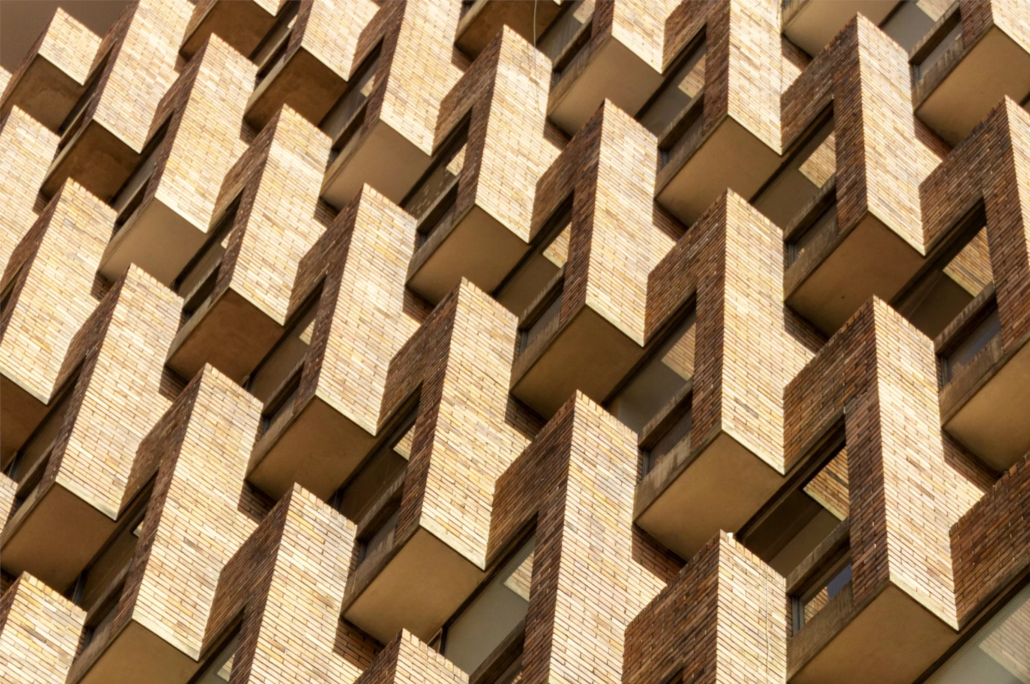
Brickwork and Brick Slips

Brickwork and brick-slip systems can be affected by cracking, deterioration, movement, water ingress, defective fixings or problems with the supporting construction.

Curtain Walling and Glazing

Curtain wall systems can develop leaks, failed seals, defective interfaces and component deterioration, sometimes requiring repair or replacement.

External Wall Systems

Where defects affect multiple components of the external wall, remediation may involve addressing the system as a whole rather than an individual façade component.

Explore Façade Wall Systems

Common Façade Problems

Façade remediation can be triggered by a wide range of defects and performance issues, including water ingress, cladding failure, loose or combustible cladding, curtain wall leaks, failed cavity barriers, defective fire stopping, deteriorated render, damaged insulation, corrosion, failed sealants, defective interfaces and structural deterioration. Identifying the visible defect is only the starting point. Further investigation may be required to establish the underlying cause, determine the extent of the issue and assess whether other areas of the external wall are also affected.

Explore Common Façade Problems & Defects

Our Remediation Services

Our façade remediation services cover the investigation, repair and replacement of defective or damaged external wall systems. We work across a range of façade materials and defects, providing practical solutions informed by site investigations, intrusive surveys and technical findings. Our services can include cladding removal and replacement, fire safety remediation, insulation replacement, fire stopping, façade repairs, structural repairs, sealant and interface works, and associated making-good and completion works.

Façade Surveys and Assessment

Explore Our Façade Surveys and Assessment Services: 

Cladding Remediation

Explore Our Cladding Remediation Services : 

Facade Remediation by BuildingType

The practical requirements of a remediation project can vary depending on the type, height, occupation and use of the building.

We provide guidance covering:

Each building type can present different considerations around access, occupation, resident or tenant management, phasing, fire safety and construction.

Façade Remediation, Compliance and Funding

Some façade remediation projects also involve wider regulatory, compliance or funding considerations, including Building Safety Act requirements, Building Safety Regulator processes, fire-safety assessments, funding schemes such as the Cladding Safety Scheme, project documentation, quality assurance, Golden Thread information, and completion and certification requirements. These considerations should be addressed alongside the technical remediation requirements rather than treated separately from the wider project.

Explore Building Safety & Compliance

Explore Façade Remediation Funding

Need Advice About a Façade Remediation Project?

Whether you are at the initial assessment stage or already have identified façade remediation requirements, we can help you identify the appropriate next step.

Complete the enquiry form and we’ll review your requirements and discuss the appropriate next step.

Tell us briefly about your requirements

FAQS

Façade remediation may be required where surveys, assessments or investigations identify defects, deterioration, safety concerns or performance issues affecting the external wall.

Not necessarily. The extent of investigation depends on the information already available and whether sufficient evidence exists to understand the construction, condition and cause of the identified defects.

Timescales vary significantly depending on the building, façade system, investigation requirements, design, access arrangements, approvals and extent of remedial works.

Timescales vary significantly depending on the building, façade system, investigation requirements, design, access arrangements, approvals and extent of remedial works.